Pilot 3, the Catalonian Pilot led by MODACC, has focused on supporting fashion and textile SMEs in adapting to emerging European sustainability legislation.
The process began with the identification of SME needs and the mapping of the most relevant regulatory frameworks for the fashion sector. This work set the foundation for a three-iteration approach aimed at helping companies understand regulatory requirements and translate them into practical business action.
From the beginning, Pilot 3 has approached sustainability legislation not only as a compliance challenge, but also as a potential driver for innovation, competitiveness and resilience.
Building the foundations for the pilot
The initial phase focused on understanding the challenges, opportunities and support needs of SMEs and other ecosystem stakeholders regarding sustainability legislation.
To do so, the pilot organised focus groups with SMEs and ecosystem stakeholders. These sessions helped identify the main needs of the sector and supported the mapping and prioritisation of the most relevant sustainability regulations for fashion and textile companies.
This first stage created a strong basis for the following pilot iterations, ensuring that the activities were connected to the realities and needs of the Catalonian fashion and textile ecosystem.
Strengthening capacities for regulatory adaptation
The first pilot iteration focused on building capabilities for the integration of technologies that enable regulatory adaptation. It also aimed to support a shift from a challenge mindset to an opportunity mindset.
As part of the work carried out so far, Pilot 3 has designed and delivered 13 workshops covering the selected sustainability regulations. These activities have contributed to increasing awareness and understanding of sustainability legislation and its business implications.
The pilot also contributed to the ideation and execution of the first technology fair for fashion and textiles in the region, strengthening connections between SMEs, technology providers, sustainability experts and other stakeholders.
Linking legislation, impact measurement and transparency
The following stage focused on developing practical guidance linking sustainability legislation with impact measurement tools.
This work included the identification and presentation of impact measurement tools and methodologies, as well as the collection and analysis of participant feedback. The aim was to support SMEs in translating regulatory requirements into implementation steps, while enhancing transparency and data-driven decision-making.
One of the main outcomes of this process has been the development and publication of an open-access implementation roadmap and guidance materials for SMEs.
Analysing sustainable business models in Catalonia
The current iteration focuses on analysing sustainable business models already operating within the Catalonian fashion and textile ecosystem.
This work looks at their alignment with present and future regulatory requirements. It also considers the perception of different stakeholder groups regarding the maturity of integration and future potential of the studied business models.
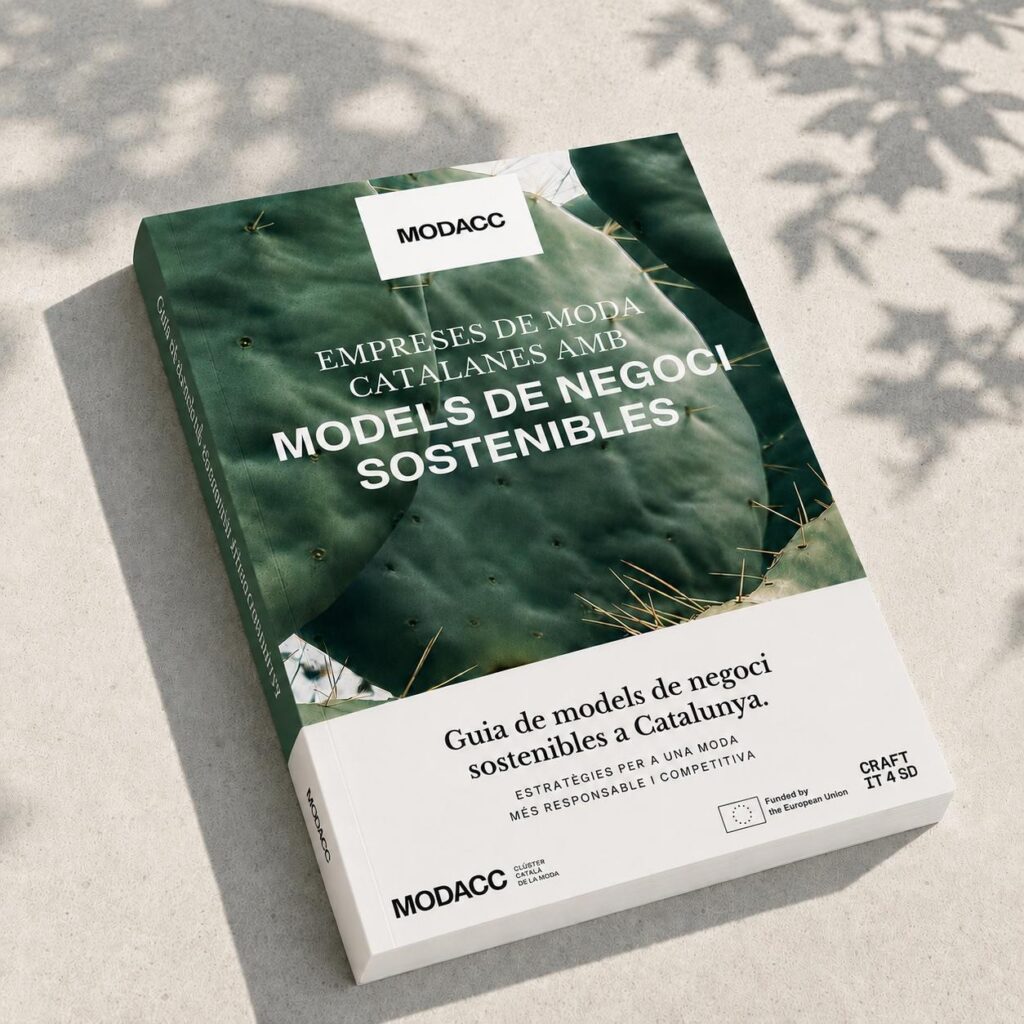
As part of this process, Pilot 3 has developed and published a directory of sustainable business models in Catalonia, contributing to evidence gathering and visibility for existing practices in the region.
Outcomes produced so far
The work carried out so far has produced several outcomes. These include the strengthening of the collaborative ecosystem involving SMEs, technology providers, sustainability experts and other stakeholders, as well as increased awareness and understanding of sustainability legislation and its business implications.
Pilot 3 has also developed open-access materials that translate regulatory requirements into practical implementation steps for SMEs. These resources have supported capacity building on impact measurement and legislative compliance.
This work has also gathered evidence on sustainable business models in the region and collected qualitative insights from relevant stakeholder groups. Within the first month after publication, the open-access materials reached more than 500 downloads across dissemination channels.
Towards ecosystem readiness
The work carried out so far highlights the importance of approaching sustainability legislation not only as a compliance requirement, but also as an opportunity to strengthen innovation, competitiveness and resilience.
For SMEs, this requires practical and accessible tools that help translate regulatory requirements into concrete business action. The pilot also shows the value of collaboration between industry, technology providers and sustainability experts, as well as the role of impact measurement in supporting legislative adaptation and informed decision-making.
Overall, Pilot 3 is helping to strengthen ecosystem readiness for future sustainability requirements while supporting the development of green skills and sustainable business models.