
Aarhus University, Denmark
COMING SOON
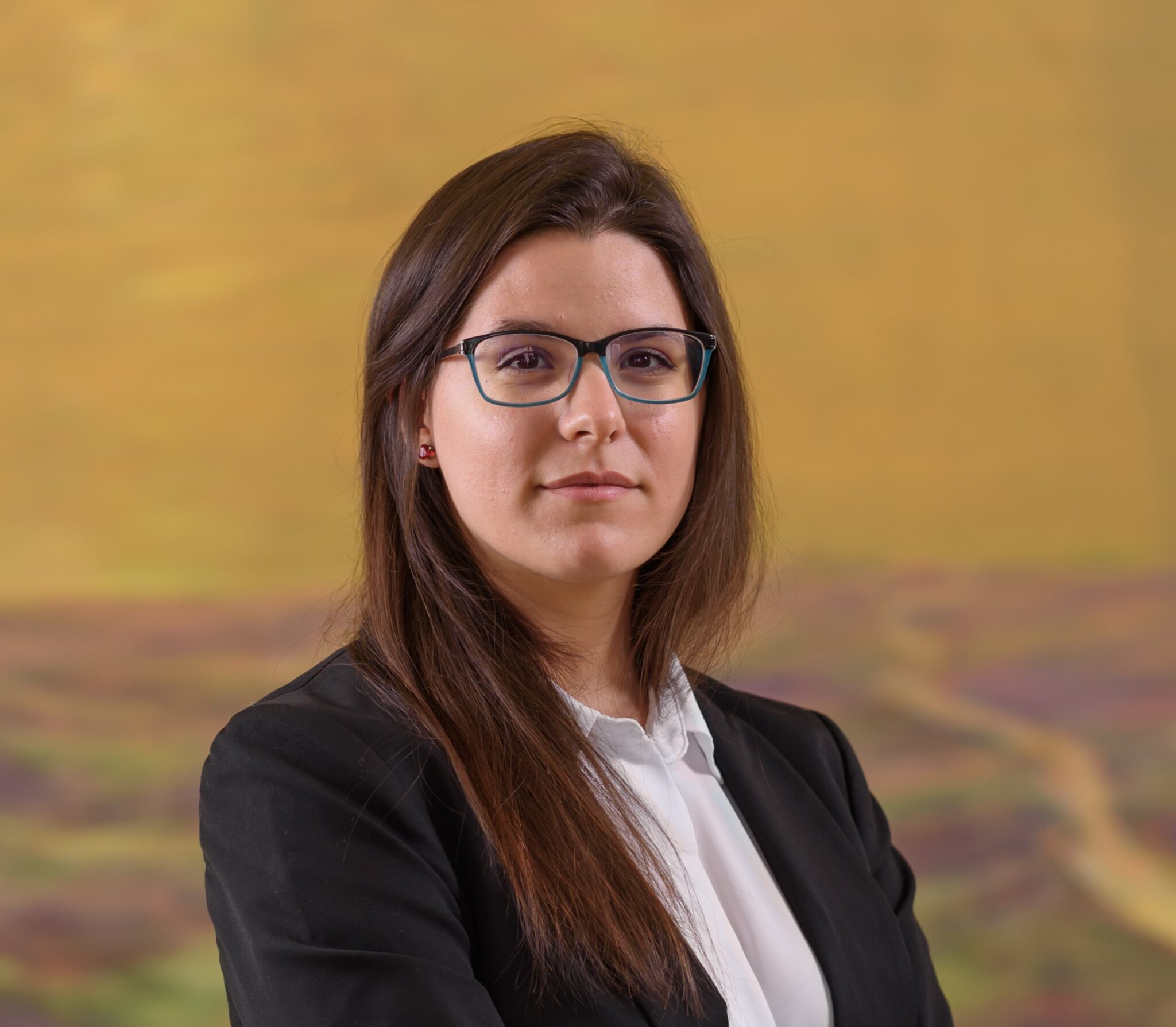
Katty Fashion / Reginnova NE, Romania
I am a Business Development Consultant with a multidisciplinary background and a strong commitment to shaping the future of fashion through knowledge-driven change. At Katty Fashion and Reginnova NE, I work closely with the C-level team to implement EU-funded initiatives focused on sustainability, digitalisation and industry resilience.
My experience spans project management, marketing and stakeholder engagement, supported by degrees in Business Administration and Human Resource Management. This helps me turn ideas into practical action and bring a cross-sector perspective to every project, guided by curiosity, efficiency and collaboration.
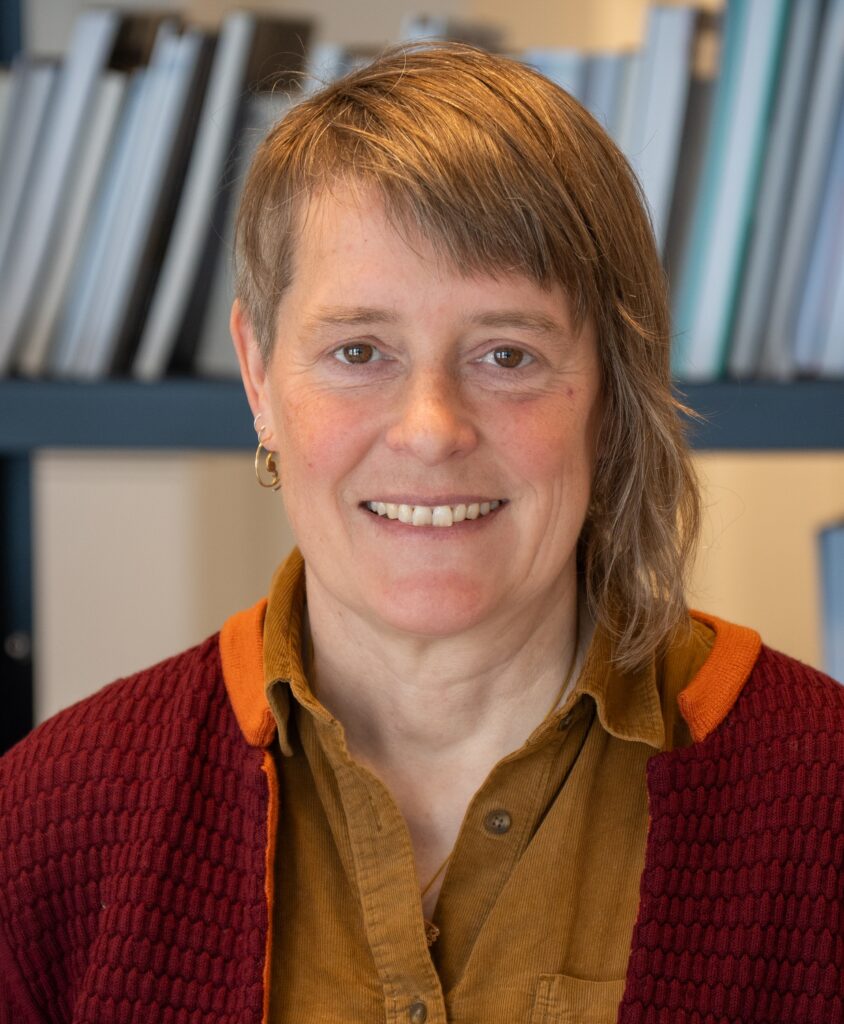
VIA University College, Denmark

Independent Researcher, Finland
Dr. Annu Markkula is a sustainability and circular economy expert specialising in business models, EU regulatory transformation, and clothing, apparel and bio-based value chains. With 20+ years of experience across the UN, applied research, consulting, and entrepreneurship – including recent work in CRAFT-IT4SD at VTT Technical Research Centre of Finland – she helps organisations align economics with emerging policies of the EU’s green transition through practical, evidence-based implementation. Her background bridges business strategies, consumer market dynamics and sustainability analyses with strategic expertise in the wider circular bioeconomy.

“Gheorghe Asachi” Technical University of Iași, Romania
Aura Mihai, PhD, is a Professor at “Gheorghe Asachi” Technical University of Iași, Romania, where she coordinates the Research Laboratory for Footwear Design, Development and Rapid Prototyping. For more than three decades, she has advanced footwear education and research in design, engineering, sustainability, and digital technologies. Her European project work connects education and industry through new curricula and skills frameworks. In the CRAFT-IT4SD project, she explores how digital fabrication and interdisciplinary learning can connect cultural heritage and craftsmanship with contemporary fashion.
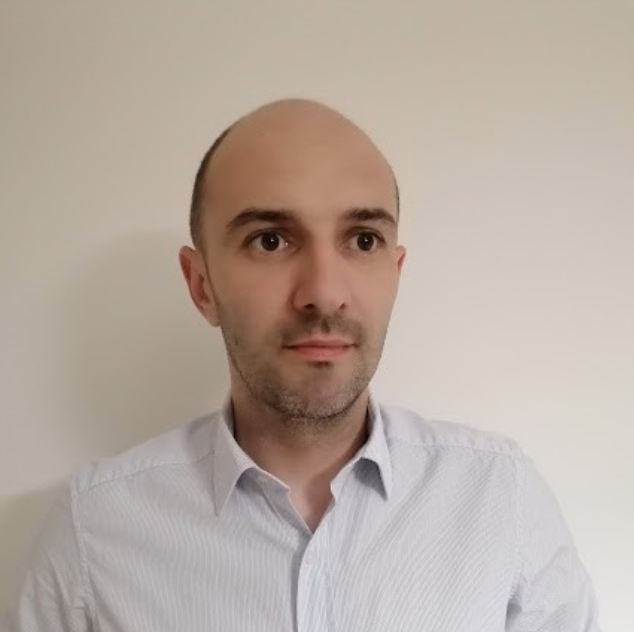
“Gheorghe Asachi” Technical University of Iași, Romania
Savin-Dorin Ionesi, PhD, is an Associate Professor and Dean of the Faculty of Industrial Design and Business Management at “Gheorghe Asachi” Technical University of Iași, Romania. His teaching and research focus on textile materials and technologies, textile-reinforced composites, additive manufacturing, sustainability, circular economy, and digital innovation in the textile and fashion industries. His work in European projects brings together research, education, and industry, with a strong focus on sustainable manufacturing and emerging technologies. In the CRAFT-IT4SD project, he explores how 3D printing and digital tools can complement traditional craftsmanship and support new approaches to sustainable fashion, interdisciplinary learning, and creative innovation.
CreativeFed
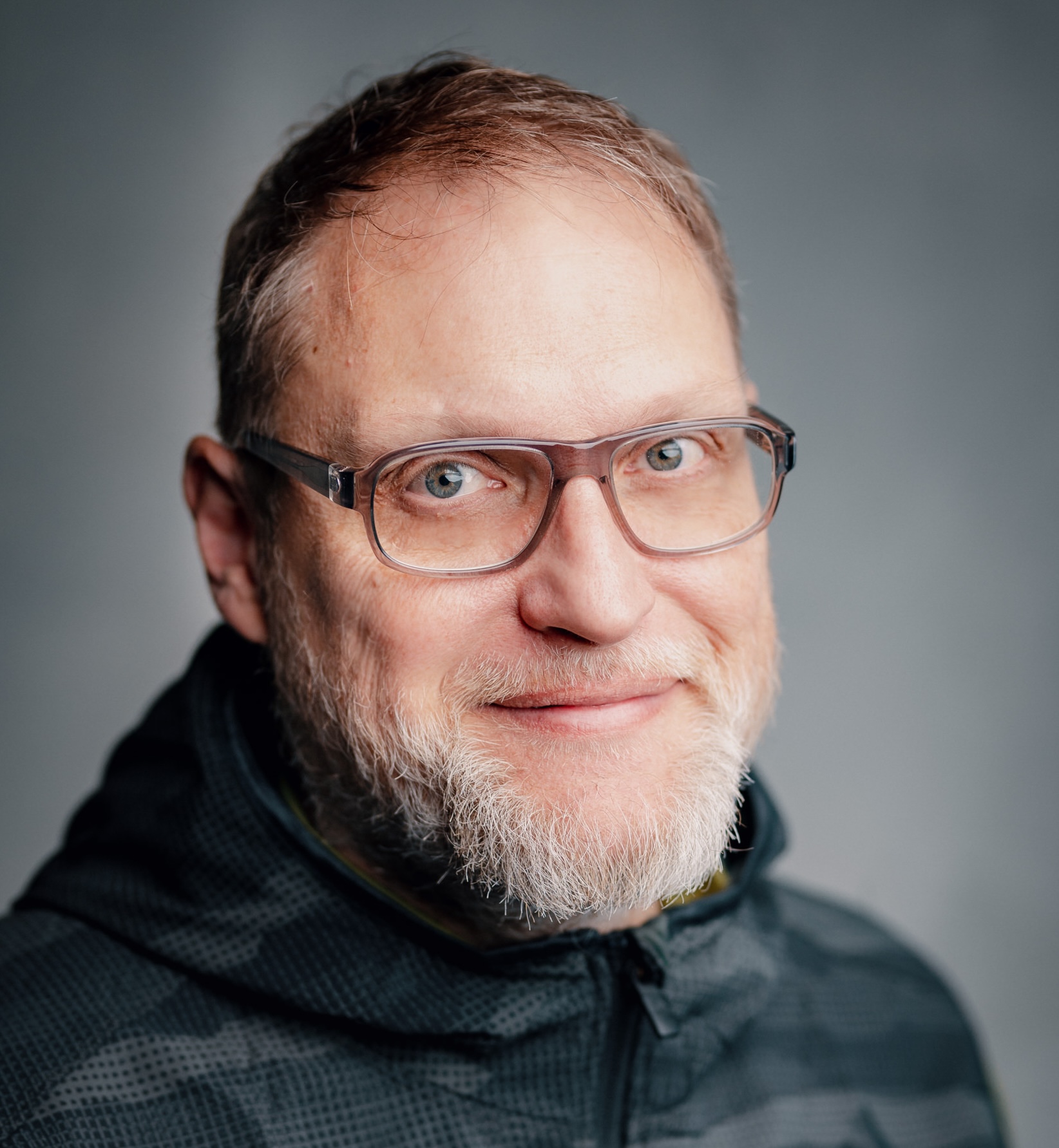
Gerin Trautenberger works at the intersection of industrial policy and the Cultural and Creative Industries (CCIs), turning evidence of the sector’s value into funding and innovation policy. He is President of Kreativwirtschaft Austria (WKO) and was Director of the EIT Culture & Creativity Co-Location Centre South East & Alps (2022–2026). He has coordinated European consortia securing €60m in grants and is completing a PhD in Media Studies at the University of Vienna. Since 2019, he has advanced skills and training for creative professionals through projects including CYANOTYPES and CREDEX. He coordinates the CCI Large-Scale Partnership under the European Pact for Skills and launched Creative Stack to make creative competences more visible. In 2026, he initiated Brandbrief.eu, a campaign backed by over 200 organisations calling for €800m in dedicated CCI innovation funding.

MODACC, Spain
Juliana Penagos is European Projects Manager at MODACC, the Catalan Fashion and Textile Cluster, where she works at the intersection of sustainability, circular economy and innovation in the fashion and textile industry. With a background in biology and research experience in ecology and botany, her career has evolved from studying natural systems to exploring how businesses and industry ecosystems can transition towards more sustainable and regenerative models. At MODACC, Juliana translates sustainability challenges into collaborative action, working with companies, research organisations and public institutions to identify needs, connect expertise and develop practical solutions through European projects. Her work focuses on circular business models, stakeholder engagement, organisational transformation, ecosystem analysis and impact measurement, with a particular interest in bridging the gap between sustainability ambitions and their practical implementation across companies and value chains.
Antwerp University, Track4Crafts EU project coordinator, Belgium
Cooming soon
OAMK, Finland
Liisa Ronkainen is a Project Manager at Oulu University of Applied Sciences, specializing in future skills development for the creative industries. Her expertise focuses on upskilling professionals in the creative sector, anticipating evolving workforce needs, and designing new education and collaboration models that support continuous learning. She works at the intersection of digitalisation, sustainability, innovation, and creative ecosystems, and has extensive experience in developing regional and international skills networks that strengthen the competitiveness and resilience of the creative industries.

VIA University College, Denmark
Malene Pilgaard Harsaae is a practice-oriented researcher who specializes in bridging the knowledge gap between the fashion and textile industry and the research environment. Malene has 25 years of experience with product and collection development and trend forecasting in the Danish fashion industry, as a designer and consultant. She has a master’s degree in design from 2011, was employed at VIA University College, VIA Design & Business as a lecturer the same year, associate professor in 2017 and completed her PhD in 2020. Since 2023 employed at the Center for Applied Research in Textiles, Design and Circularity (VIA University College), where she works with research projects (national and international) focusing on various aspects of the green transition in the fashion and textile industry. She is interested in investigating how «experience-based knowledge» in the fashion industry is translated into «empirical knowledge» in research in interaction with understanding user preferences and choices related to fashion and clothing. Her practice knowledge and industry experience combined with her research skills gives her unique insight into the current fashion paradigm of planned obsolescence, volume and low prices and she has a keen interest in systems thinking to contribute to the green transition.
Giellagas Institute , Finland
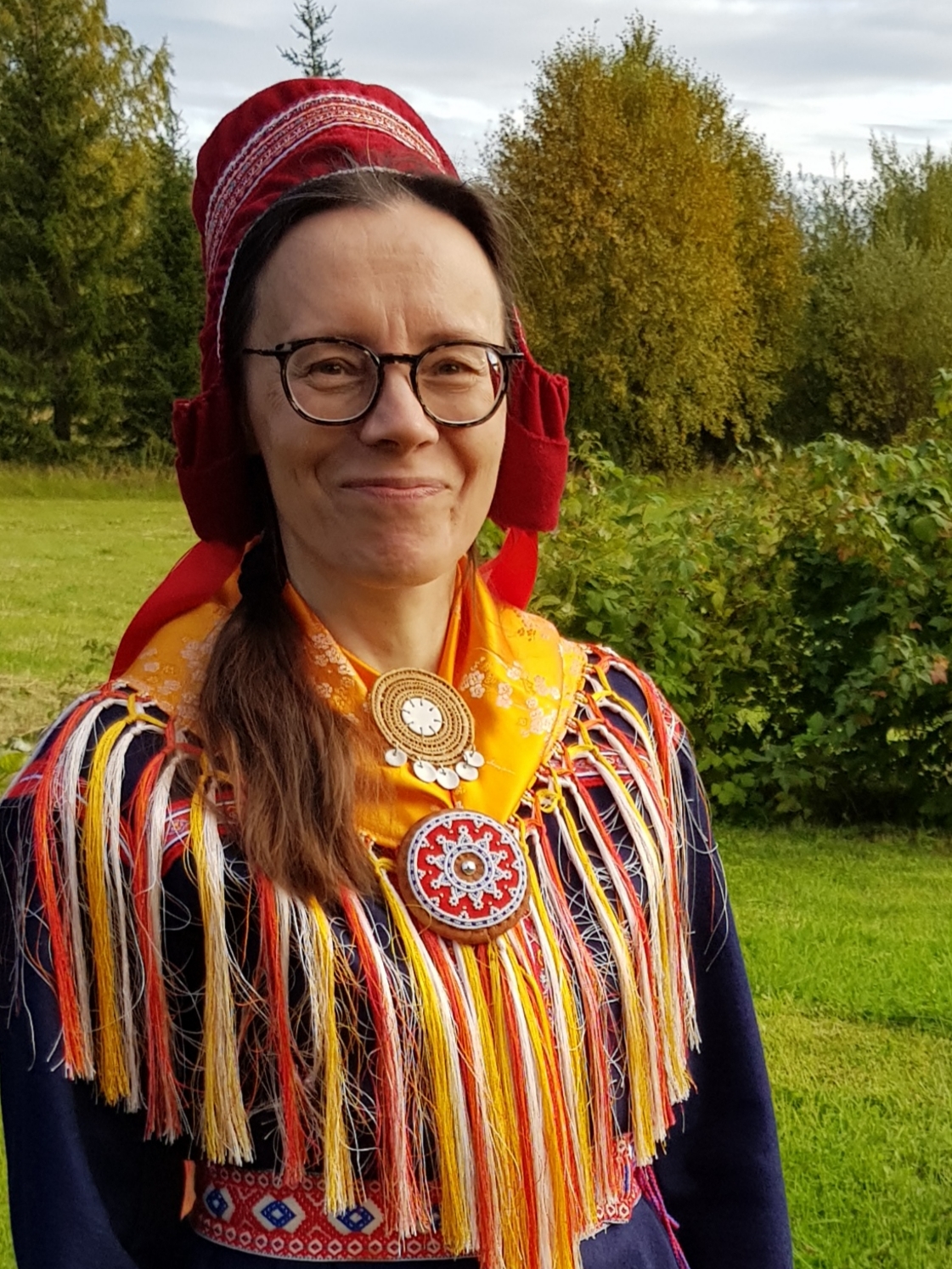
Sigga-Marja Magga (PhD, docent of Sámi duodji) specializes in Sámi crafts (duodji), combining her own duodji practice with academic research. Her work focuses on the relationship between duodji traditions and the increasing cultural and social diversity within Sámi society. She examines how Sámi people respond to and shape cultural, political, and social change through duodji. A particular focus of her research is the gákti, the traditional Sámi dress, exploring how the use of gákti both reflects and shapes different realities, and meanings within contemporary Sámi society.

VIA University College, Denmark
With a PhD from Aalborg University, Simon’s research is rooted in the academic fields of sustainable consumption, science and technology studies, and transition research. His work explores how everyday practices of consumption are configured by infrastructures and technologies, competencies and social norms, and how these in turn can be reconfigured to support more sustainable futures. Drawing on qualitative and mixed-method approaches, Simon has contributed to new understandings of household’ everyday practices, participatory design, and sustainable levels of consumption. His current research focuses on sustainable transitions in the textile and clothing industries, with particular interest in how practices shape toward circular business models. He has published in journals such as Energy Research & Social Science, Building and Environment, and Energy Efficiency, contributing to cross-sectoral sustainability debates through interdisciplinary research.