Pilot 2, led by Oulu University of Applied Sciences within CRAFT-IT4SD, demonstrates how traditional craft knowledge, circular design and digital technologies can be combined to support sustainable innovation in the Cultural and Creative Sectors and Industries.
Across three iterative phases developed between 2025 and 2026, the pilot has evolved from material-based experimentation into technology-enhanced production models and participatory, service-based innovation formats. This progression reflects a holistic approach to sustainability, combining environmental, cultural and social dimensions.
Craft, materials and performance
The first iteration, carried out in early 2025, focused on traditional materials and sustainable production.
This phase explored circular textile design using fish leather and recycled fishing nets. It also integrated performing arts and storytelling, while introducing gamification and digital learning tools.
Technology integration and prototyping
The second iteration, developed in late 2025, expanded into interactive technologies in craft and performance.
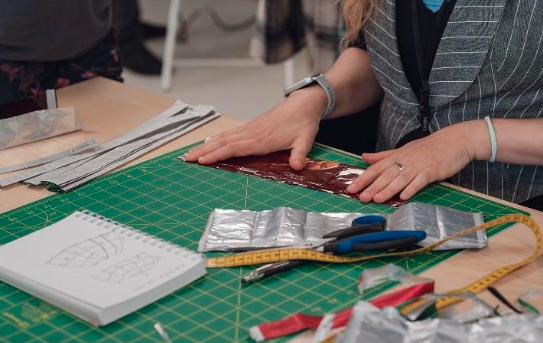
Activities included hands-on experimentation with printed electronics in textiles, LED-integrated garments and immersive visual programming through TouchDesigner. The pilot also tested circular design methods using waste materials such as coffee packaging and introduced the first integration of the Open Connector platform and NFC-based storytelling.
Advanced co-creation and cultural innovation
The third iteration, developed in 2026, followed two complementary directions.
The technology and production track included workshops on sustainable costume design and reactive technologies, an artist residency, and the development of live performance prototypes, large-scale LED installations, audio-reactive visuals and upcycled performance costumes.
The participatory and cultural track included the Girjái performance and future dreaming workshops using decolonial and inclusive methods, with a focus on intangible cultural processes and collective imagination.
Activities and outcomes so far
The work carried out so far has included workshops and learning activities on printed electronics in textiles, sustainable performance costume design, reactive performance technology, TouchDesigner, and future dreaming and participatory approaches.
Pilot 2 has produced prototype costumes using fish leather, recycled fishing nets, coffee packaging and other waste materials. It has also developed interactive systems, including LED-integrated garments and environments, audio-reactive and motion-tracked visuals, and digital product storytelling using NFC and Open Connector.
The pilot has also generated new service-based innovation models combining performance, workshops and participatory co-creation. It has supported skills development in circular design, digital tools and media, facilitation and co-creation, while strengthening regional and cross-sector ecosystems.
Innovation and sustainability potential
The pilot has identified opportunities for SMEs in upcycling-based production models, interactive and digitally enhanced craft products, workshop-based services and cultural experiences.
It has also addressed sustainability across environmental, social and cultural dimensions: reducing material waste through circular design, using surplus and post-consumer materials, supporting inclusive participation, developing skills, revitalising traditional craft practices, and integrating Indigenous knowledge and storytelling.
Key messages from Pilot 2
Pilot 2 highlights that craft and technology together can drive sustainable innovation. Traditional knowledge combined with digital tools can create new, low-impact solutions for the creative sector.
The work also shows that circular design can be practical and scalable, and that innovation is not only about products. It can also take the form of workshops, participatory experiences, cultural facilitation and service-based models.